
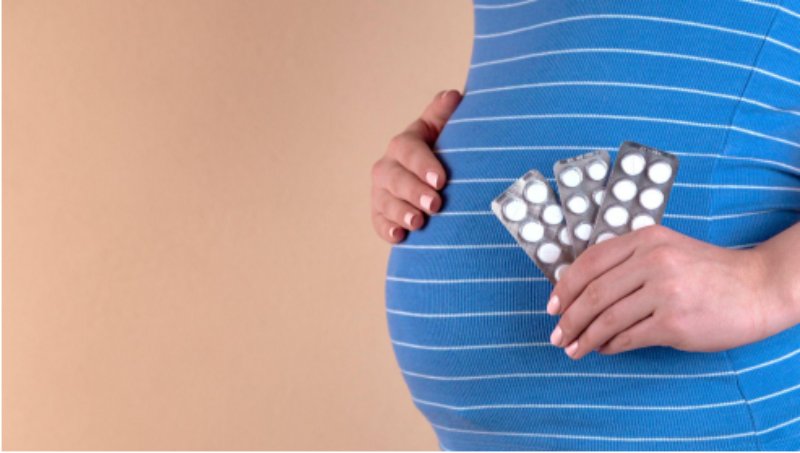
Coenzyme Q10 (CoQ10) is a naturally occurring compound that plays a critical role in energy production within cells. It is also an antioxidant that helps protect cells from oxidative damage. CoQ10 levels decrease with age, which may contribute to age-related declines in fertility. As a result, CoQ10 supplementation has been suggested as a potential treatment to improve fertility outcomes in women with advanced maternal age who are undergoing in vitro fertilization(IVF).
Advanced maternal age is defined as women who are over the age of 35 and are trying to conceive. As women age, their ovarian reserve (the number of viable eggs) decreases, which can make it more difficult to conceive. In addition, the quality of the remaining eggs may also decline, which can lead to a higher rate of chromosomal abnormalities and a lower chance of successful pregnancy.
CoQ10 supplementation may help with advanced maternal age and IVF by improving mitochondrial function in the oocytes (immature eggs) and promoting healthy egg development. Mitochondria are the energy-producing organelles in cells and play an important role in oocyte maturation and embryo development. CoQ10 helps to support mitochondrial function by facilitating energy production and protecting against oxidative damage.
Several studies have suggested that CoQ10 supplementation may improve ovarian reserve, increase the number of mature follicles, and improve egg quality in women with advanced maternal age who are undergoing IVF. In addition, CoQ10 supplementation has been associated with improved embryo quality and higher pregnancy rates in this population. It’s important to note that CoQ10 supplementation should only be taken under the supervision of
a healthcare provider, as it can have side effects and may interact with other medications.
Advanced maternal age is defined as women who are over the age of 35 and are trying to conceive. As women age, their ovarian reserve (the number of viable eggs) decreases, which can make it more difficult to conceive. In addition, the quality of the remaining eggs may also decline, which can lead to a higher rate of chromosomal abnormalities and a lower chance of successful pregnancy.
CoQ10 supplementation may help with advanced maternal age and IVF by improving mitochondrial function in the oocytes (immature eggs) and promoting healthy egg development. Mitochondria are the energy-producing organelles in cells and play an important role in oocyte maturation and embryo development. CoQ10 helps to support mitochondrial function by facilitating energy production and protecting against oxidative damage.
Several studies have suggested that CoQ10 supplementation may improve ovarian reserve, increase the number of mature follicles, and improve egg quality in women with advanced maternal age who are undergoing IVF. In addition, CoQ10 supplementation has been associated with improved embryo quality and higher pregnancy rates in this population. It’s important to note that CoQ10 supplementation should only be taken under the supervision of
a healthcare provider, as it can have side effects and may interact with other medications.
Additionally, not all women may benefit from CoQ10 supplementation, and it’s important to undergo appropriate fertility testing and evaluation to determine if this treatment is appropriate.