
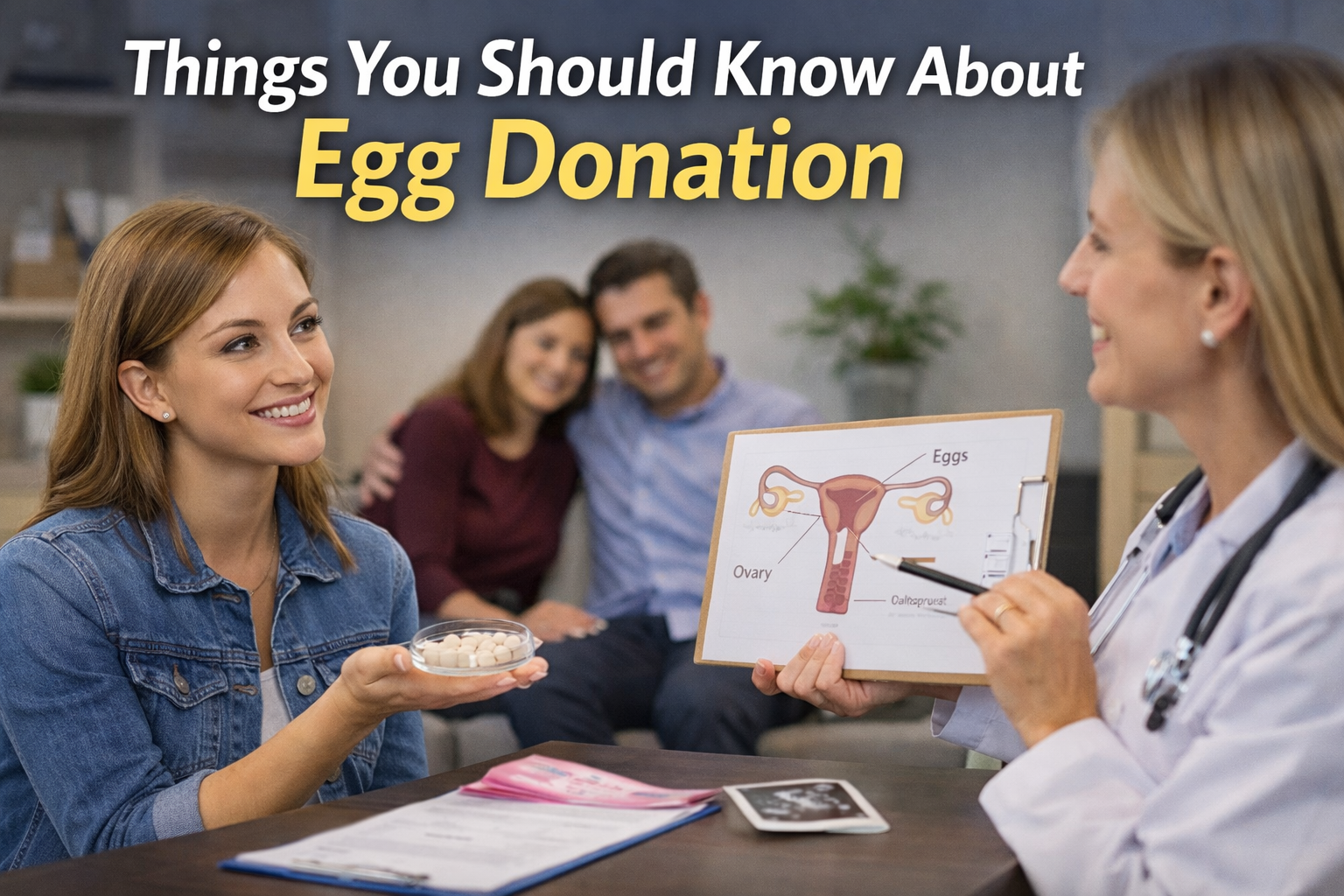
Egg donation is often talked about in simple terms, but the reality is much more layered. Whether you’re considering becoming a donor or exploring it as part of your path to parenthood, it’s important to understand what really goes on behind the scenes.
From medical steps to emotional considerations, egg donation isn’t just a procedure but, it’s a journey that involves real people, real life decisions and long term impact.
In this guide, we’ll walk you through the most important things you should know before you move forward to egg donation.
1. It’s More Than Just a Medical Process
Egg donation appears as a straightforward medical procedure but, the process requires multiple steps including screening, legal agreements, clinic cooperation and assessment of emotional readiness.
The process requires donors to undergo hormone treatment with medical monitoring, while intended parents must handle both the matching process and their medical schedule. The process has defined elements which structure it, but the process also represents an essential aspect of human existence.
2. Not Everyone Can Become an Egg Donor
Most people mistakenly believe that all individuals have the ability to meet eligibility requirements. In reality requirements for egg donation programs include multiple conditions that must be fulfilled by applicants.
The screening process evaluates donors based on their:
- Medical history
- Genetic conditions
- Psychological readiness
- Lifestyle factors
This ensures the health and safety of both the donor and the future child.
3. The Matching Process Takes Time
Finding the right match isn’t an immidiate process. Intended parents often review multiple donor profiles before making a decision and compatibility goes beyond physical traits.
Factors like medical history, personality and preferences all play a role. A well-managed egg donation process focuses on creating the right match, not just a quick one.
4. There Are Legal Agreements Involved
Egg donation isn’t just medical but it’s also legal. Contracts are put in place to clearly define rights, responsibilities and expectations for everyone involved in the process.
If you work with a professional egg donor agency they’ll ensure that both donors and intended parents are protected throughout the journey.
5. Compensation and Costs Vary
For donors, compensation is often provided for time, effort and commitment. For intended parents, costs can vary depending on the clinic, location and level of support they need.
Transparency is the main key here. A reputable agency will clearly explain all financial aspects of the process upfront.
6. Emotional Aspects Are Just as Important
This is something that is underrated.
Donors may feel a sense of pride, curiosity or even emotional attachment throughout the process. Intended parents may experience hope, anxiety and everything in between.
That’s why many programs provide counseling and support resources which help everyone who participates in egg donation to handle their emotional challenges.
7. Medical Safety Is a Top Priority
Egg donation is generally safe when handled by experienced medical professionals. Donors are monitored closely throughout the cycle to reduce the risks.
Experienced medical professionals maintain egg donation procedures as safe practices. The medical staff conducts constant monitoring to track donor health during the entire donation process.
Still, Patients need to learn about treatment risks which exist in all medical procedures so they can make informed decisions.
8. Anonymity vs. Open Donation Options
Donation arrangements provide two options which include anonymous donations and donations which permit different levels of donor contact with their intended parents.
There is no universal solution because people need to select their preferences while both parties need to establish their comfort levels with each other.
9. The Timeline Can Vary
The full egg donation process doesn’t happen overnight. From screening to retrieval, it can take several weeks or even months.
For intended parents, timelines can extend further depending on matching and medical factors.
10. Choosing the Right Support Team Matters
One of the most important decisions you’ll make is choosing the right professionals to guide you.
A trusted team will:
- Provide clear communication
- Be transparent about costs and timelines
- Offer emotional and medical support
- Guide you through every step of the egg donation journey
Conclusion
Egg donation is more than a medical option, it’s a meaningful path that helps build families. Understanding the process, expectations and emotional aspects can help you make informed and confident decisions.
Whether you’re considering donating or exploring it as an intended parent, taking your time to learn and ask questions is the first step toward a smoother journey.